

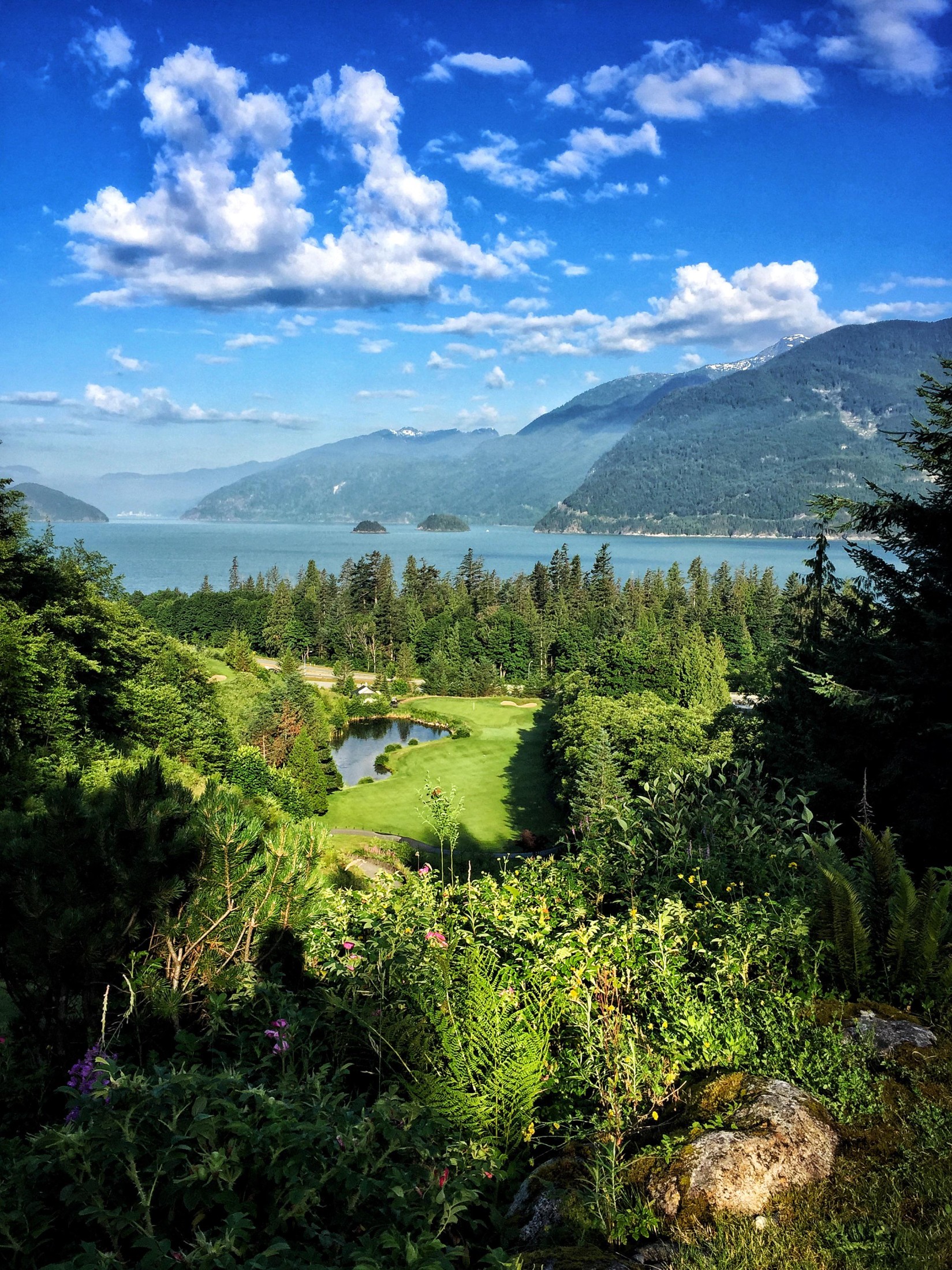
When I tell people I live in Furry Creek, I usually get one of two responses: “Where is Furry Creek?” or, “Oh my goodness. You LIVE there?”
I understand both.
Before Furry Creek became home, it was one of those beautiful places I knew mostly from driving through the Sea to Sky corridor. Now it's where I wake up in the morning, walk the dogs, drink my coffee, work, meet neighbours and come home at the end of the day. And living somewhere gives you a very different perspective than visiting it.
Furry Creek is spectacularly beautiful, but it is also small, quiet and very different from living in a more established town or city. For the right person, those things are precisely what make it special. For someone else, they may be exactly why another Sea to Sky community would be a better fit.
So if you're considering moving to Furry Creek, here's what I think you should actually know.
First, where exactly is Furry Creek?
Furry Creek sits along the Sea to Sky Highway between Vancouver and Squamish, on the shores of Howe Sound. That location is one of the things that makes it so interesting.
Head south and you're travelling toward Lions Bay, Horseshoe Bay, West Vancouver and the rest of the North Shore. Head north and you're on your way to Squamish and, farther beyond, Whistler. But Furry Creek itself feels removed from all of them.
You leave the highway, enter the community, and things get quiet very quickly. That's one of the things I noticed when I first started spending time here. You're connected to the Sea to Sky corridor, but when you're home, you can feel surprisingly far away from everything.
The beauty is not exaggerated
Let's get this part out of the way. Yes, it really is that beautiful.
Howe Sound. Mountains. Forest. Ocean. Rock faces. Changing light. Clouds moving through the valley. Even after living here, I still notice it.
There are mornings when I make something hot to drink, step outside and just look. There are days when the clouds hang low over the mountains and everything feels moody and dramatic. Then there are clear mornings when the water and mountains seem impossibly sharp.
I wondered before moving to British Columbia whether scenery like this would eventually become ordinary. So far, it hasn't. And I hope it never does.
Furry Creek is quiet
This may be one of the most important things to understand. Furry Creek is not Squamish. There isn't a downtown. You aren't walking out your front door and choosing between twelve restaurants for dinner. There aren't grocery stores, coffee shops and boutiques lining the streets.
For some people, reading that will produce an immediate Nope. 😂
And that's useful information, because for other people, it produces exactly the opposite reaction: Wait. Tell me more.
The quiet is one of the things I love most about living here. When I come home, I feel like I've left the busyness behind. There is space. There is nature. There are moments when it feels wonderfully removed from everything.
But choosing that means accepting the trade-off.
You are going to use your car
If having everything within a five-minute walk is important to you, Furry Creek probably isn't going to provide the lifestyle you're looking for. Living here requires driving.
Groceries, restaurants, many services, appointments and everyday errands generally mean heading somewhere else. Depending on what I need and where the rest of my day is taking me, that might mean travelling north toward Squamish or south toward the North Shore.
Personally, I've adjusted to that. The drive itself is also very different from the driving I was accustomed to in Ontario. When Highway 99 is moving normally, you're travelling beside mountains, forest and Howe Sound. There are days when the drive feels less like something I have to endure and more like part of living here.
But it is still a drive, and Highway 99 is still a mountain highway. Weather, construction, traffic and accidents can affect travel, and alternate routes are limited. If you're thinking seriously about Furry Creek, this is something I would encourage you to experience rather than simply calculate on Google Maps.
Test the commute before you fall in love with the house
This is particularly important if you'll be commuting regularly. Don't look at a beautiful Furry Creek property, check the estimated drive time on your phone and decide that's good enough.
Drive the route, ideally more than once. Try it during the hours you'd normally travel and in less-than-perfect weather. Think about school, work, appointments, the airport and the places you visit regularly.
Then decide whether the location works for your actual life. Because a house can be wonderful and still be in the wrong location for you.
There are very different ways to live in Furry Creek
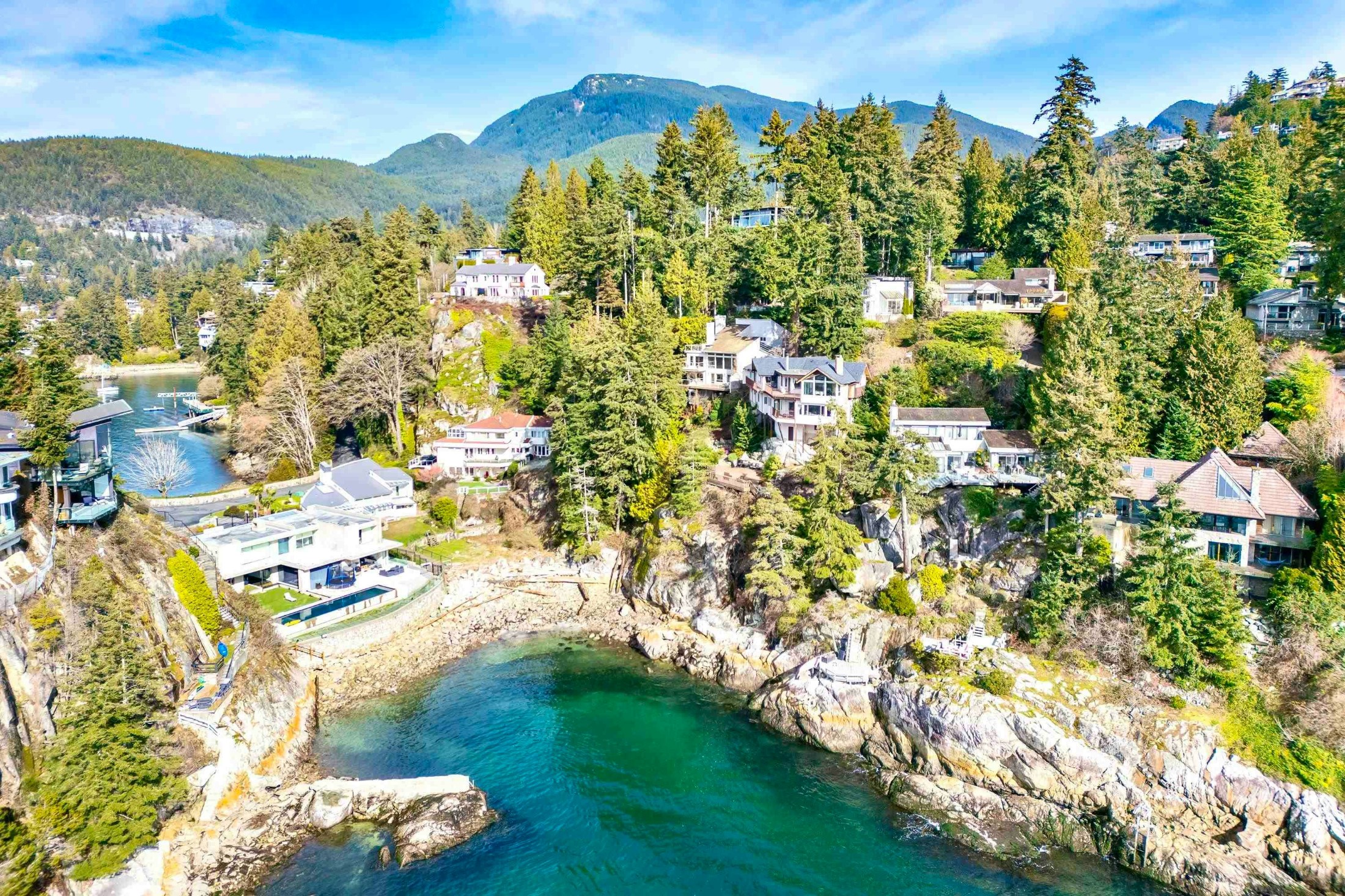
One of the interesting things about Furry Creek is that the real estate isn't all the same. You'll find different housing styles and settings, from homes with dramatic elevated views to properties closer to the water.
Oliver's Landing offers a particularly distinctive version of Furry Creek living, with its waterfront setting and townhome community feel. Elsewhere, homes can offer very different combinations of privacy, elevation, outdoor space, mountain views, ocean views and proximity to the golf course.
That's why I don't think you can decide whether you like Furry Creek by seeing one property. The experience can change considerably depending on exactly where you are within the community.
And as with anywhere along the Sea to Sky, the home itself is only part of the decision. The setting matters just as much.
Golf is part of the landscape, even if you aren't a golfer
The golf course is a major physical presence in Furry Creek. It winds through the community and contributes to the openness, greenery and views that make the area feel the way it does.
I'm surrounded by it in my everyday life. And even if golf isn't the reason you'd move here, the course is part of the character of the community. It creates another layer of landscape between the homes, forest and mountains.
Of course, if golf is part of the life you're imagining, that's an entirely different conversation.
Nature is not something you schedule for the weekend
This is probably the biggest lifestyle change I've experienced. In many places, getting into nature requires planning. You drive somewhere, find parking, pack for the day and make an outing of it.
Here, nature can simply be part of Tuesday morning.
I can walk through the forest, take the dogs toward the water, watch the weather moving across Howe Sound, and then come home and start working. That changes your relationship with the outdoors. You stop thinking of it exclusively as recreation and start experiencing it as part of your daily environment.
For me, that has been incredibly meaningful.
There is a community here
This was something I wondered about before moving. Small communities can sometimes look idyllic from the outside but feel difficult to enter socially. My experience has been the opposite.
I've found people welcoming, and I've learned that community often builds through small interactions. You meet someone. You talk to a neighbour. There's an event you mean to attend and somehow already have plans that day. 😂 Someone introduces you to someone else. Gradually, you stop feeling like the person who just moved in and start feeling like you live here.
That doesn't happen automatically, of course. You have to participate. But I've come to believe that's true almost anywhere. A community can open the door. Eventually, you still have to walk through it.
Furry Creek is changing
This is another important part of understanding the community. Furry Creek isn't frozen in time.
There is development and change happening in and around the area, and anyone considering buying here should understand both the community that exists today and what is planned for the future. That matters for more than property values. Growth can influence services, amenities, traffic, construction, housing options and the overall character of a place.
This is where I think buying in a developing community requires a little more curiosity. Don't only ask, “What is here now?” Also ask, “What could this community look like in five or ten years?”
Make sure you're comfortable with both answers.
Who might love living in Furry Creek?
I hesitate to answer this too narrowly because people constantly surprise us. But I think Furry Creek deserves serious consideration if you're drawn to quiet, natural surroundings and a sense of space.
If you'd happily trade having a coffee shop around the corner for looking at mountains and Howe Sound, you might understand the appeal immediately. If outdoor access matters to you, you may find the lifestyle incredibly compelling.
If you work from home or have flexibility around commuting, the location may open up possibilities that wouldn't work for someone who needs to be downtown Vancouver at the same time every morning. And if you're looking for a place that feels connected to the Sea to Sky while still offering a sense of retreat when you come home, Furry Creek is certainly worth exploring.
And who might prefer somewhere else?
This question matters just as much.
If walkability to shops, restaurants and services is essential to your happiness, I'd want you to think carefully. If you dislike driving, that's important. If you want the energy and amenities of a larger community immediately outside your door, Squamish or one of the North Shore communities may fit you better.
And that's okay.
My job isn't to convince everyone that Furry Creek is wonderful. My job is to help someone figure out whether Furry Creek would be wonderful for them.
There is a huge difference.
What living here has taught me
Before I moved west, I thought about home primarily as the place itself: the house, the neighbourhood, the address.
I think differently now.
Home is also the environment you step into when you walk outside. It's the road you drive every day. It's what you see from your window. It's where you walk. It's how easy or difficult your routines feel. It's whether your surroundings support the way you want to spend your time.
Living in Furry Creek has taught me that convenience isn't always about having everything close by. Sometimes convenience is being able to step outside and immediately find the thing you moved here for.
For me, that's nature. It's quiet. It's the mountains. It's Howe Sound. It's the feeling I still get when I come home.
And no, Furry Creek won't be right for everyone. That's exactly why I think it's worth understanding properly. Because when you're deciding where to live, the goal shouldn't be finding the place everyone else thinks is best.
It's finding the place that feels most like the life you want to live.
Thinking About Moving to Furry Creek?
If you're considering Furry Creek, I'd encourage you to experience it as a future resident rather than simply visiting for a showing.
Spend some time here. Drive north to Squamish and south toward the North Shore. Walk through the community. Explore the different housing options. Pay attention to the distances. Notice the quiet. And imagine what an ordinary Wednesday would look like here.
I've also created Beyond the Postcard, a short relocation quiz designed to help you think about the lifestyle, community and environment that might fit you best.
And if Furry Creek or another Sea to Sky community is starting to appear on your radar, I'm always happy to help you explore it.
Because choosing a home is one decision. Choosing the life around it is another. ❤️


 The data relating to real estate on this website comes in part from the MLS® Reciprocity program of either the Greater Vancouver REALTORS® (GVR), the Fraser Valley Real Estate Board (FVREB) or the Chilliwack and District Real Estate Board (CADREB). Real estate listings held by participating real estate firms are marked with the MLS® logo and detailed information about the listing includes the name of the listing agent. This representation is based in whole or part on data generated by either the GVR, the FVREB or the CADREB which assumes no responsibility for its accuracy. The materials contained on this page may not be reproduced without the express written consent of either the GVR, the FVREB or the CADREB.