RSS

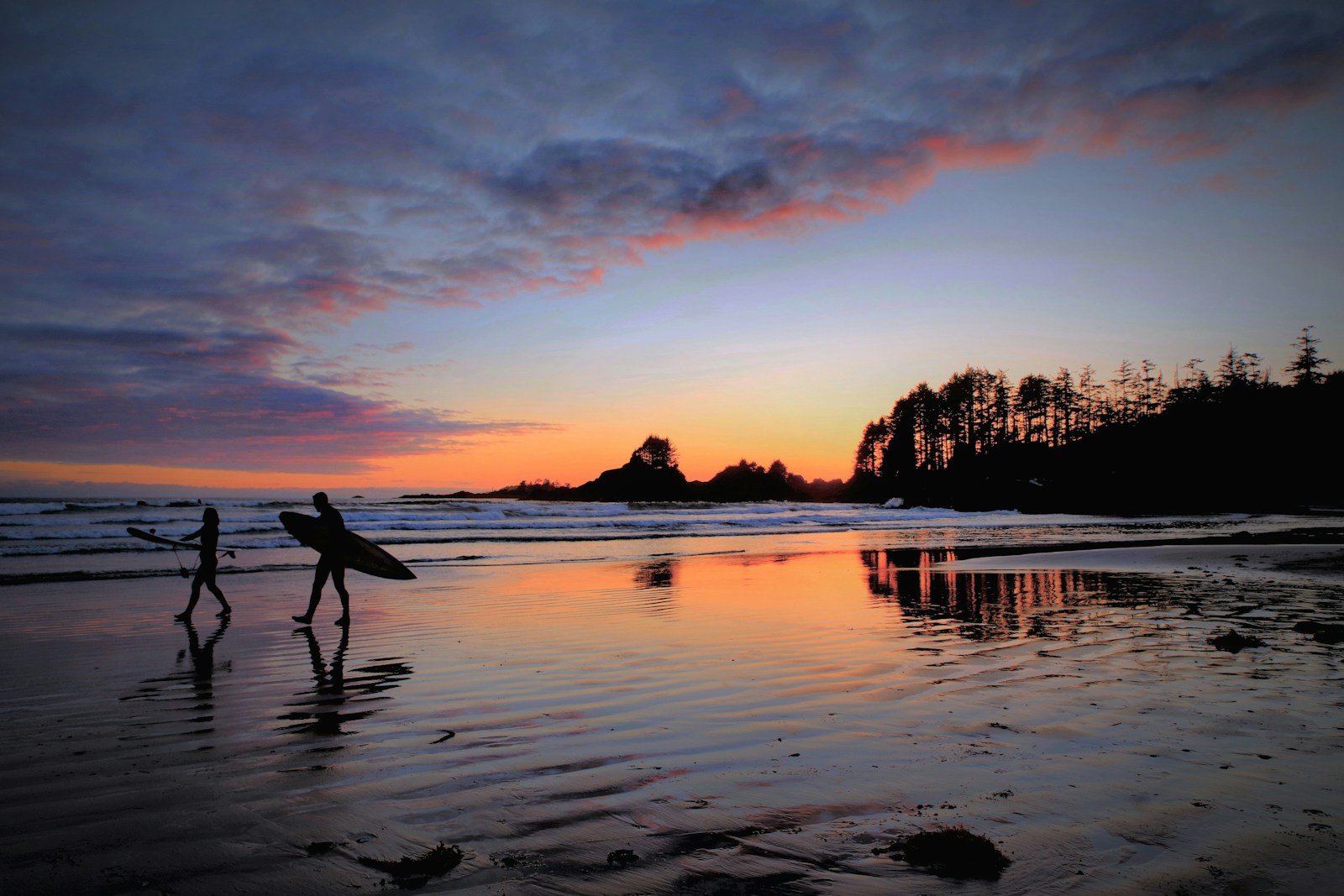
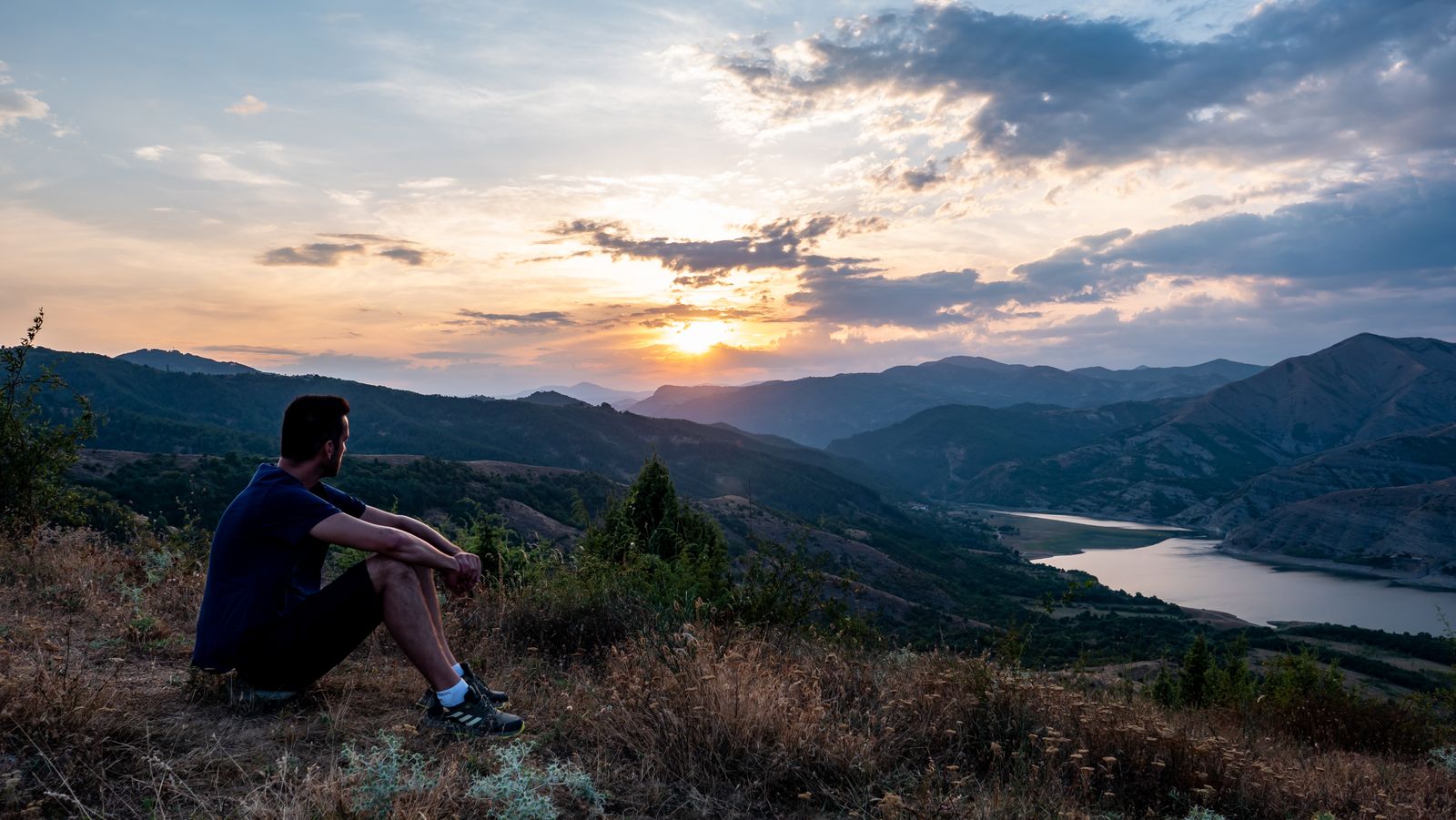
How Do You Know When It’s Time to Move? 7 Questions to Ask Yourself Before Making a Big Life Change

For years before I moved to British Columbia, there was a question quietly sitting in the background of my life: What if I lived somewhere else?

It wasn't there because I was unhappy. In fact, that was part of what made the question so difficult. I had a life I loved in Ontario. I had family, friendships, community, a successful career and years of memories attached to the place I called home. There was no dramatic moment when everything fell apart and I suddenly knew I needed to leave. There was simply a persistent curiosity about another way of living.

I think we often assume that people make big changes because something is wrong. A relationship ends. A job changes. The kids leave home. Retirement arrives. Life forces a decision. But sometimes nothing is particularly wrong. Sometimes you simply begin to wonder whether the life you've built still fits the person you're becoming.

With a background in psychology and many years spent helping people through real estate decisions, I've become fascinated by this. Moving is technically a housing decision, but it rarely feels like one when you're the person making it. It can touch identity, belonging, relationships, security, finances, family and the picture you've carried of what your life was supposed to look like.

So how do you know when it's actually time to move? I don't think there is a formula, and I certainly don't think anyone else can answer that question for you. But I do think there are some very good questions worth asking.

1. Are you moving away from something, or toward something?

This is probably the first question I would ask, because there's a significant difference between wanting to escape your current life and feeling genuinely drawn toward another one. When we're frustrated, lonely, overwhelmed or simply bored, it's easy to imagine that changing our surroundings will change everything else. Sometimes a move really can improve our circumstances, but geography can't solve every problem.

That's why I think it's helpful to turn the question around. Instead of asking only, “What do I want to leave?”, ask yourself, “What do I want more of?”

Maybe it's more nature, more community, more adventure or more time with family. Perhaps it's a slower pace, a different climate, greater walkability, more culture, more space or simply a sense that your days could feel different than they do now.

For me, the answer had a lot to do with how I wanted my everyday life to feel. I wanted nature to be closer. I wanted mountains and ocean to be part of ordinary life rather than something I travelled to experience. I wanted a different rhythm. Once you can describe what you're moving toward, rather than simply what you're leaving behind, the decision starts to become much clearer.

2. If nothing changed, how would you feel five years from now?

I love this question because it takes some of the urgency out of the present moment. Imagine that you don't move. Nothing dramatic happens. You continue living where you live now, your routines remain relatively similar, and five years pass.

How does that feel?

Maybe the answer is relief or contentment. Realizing that you would be perfectly happy staying exactly where you are can be incredibly useful information. But if imagining those five years creates a persistent feeling of I wish I had at least tried, that's information too.

We tend to give a lot of attention to the risk of making a change. What if it doesn't work? What if I miss home? What if I make the wrong decision? Those are legitimate questions. But there is another kind of risk that deserves consideration too: the possibility of looking back and wishing you had explored something that mattered to you.

Sometimes the fear of changing is loud. Regret tends to be quieter. It's worth listening for both.

3. Are you craving a new house, or a different life?

This is where real estate conversations become particularly interesting to me. People often begin by describing the property they want. More space. Less space. A view. A condo. A garden. A home office. Something closer to the water.

But underneath those requests is often a much more revealing question: What do you want that home to make possible?

Maybe you don't actually want a larger house. You want somewhere your adult children will want to visit. Maybe you don't really want a condo. You want the freedom to travel without worrying about maintaining a property. Maybe you don't simply want an ocean view. You want to feel connected to nature every day. Maybe you don't need another bedroom at all. What you're really craving is a community where you can build a different kind of social life.

This is one of the reasons I think choosing where to live deserves more thought than simply choosing a property. The house matters, of course, but the house is often the container.

The life inside it is the real decision.

4. What are you unwilling to give up?

Dreaming about a move is relatively easy because our imagination naturally focuses on what we're gaining. The harder and often more useful exercise is identifying what we're not willing to lose.

Maybe proximity to family matters enormously. Maybe you need excellent healthcare nearby. Perhaps being able to walk to restaurants and shops is an important part of what makes you happy. Maybe you don't want to drive very much. Your career might depend on being close to a particular city, or perhaps you love having a large home and aren't interested in downsizing in order to afford a different location.

This is where a dream starts becoming a decision, because every place has trade-offs. British Columbia certainly does. So does Ontario. So does the small town, the big city, the mountain community and the waterfront neighbourhood.

The goal isn't to find a place with no compromises. I don't think that place exists. The goal is to understand which compromises you're willing to make and which ones you're not.

5. Are you afraid because it's wrong, or because it's unfamiliar?

This can be one of the hardest things to separate when you're contemplating a major change. Fear is not always a warning that we're making the wrong decision. Sometimes fear simply means the decision matters.

Leaving familiar people, places and routines can feel unsettling even when you're genuinely excited about what's ahead. You know how your current life works. You know the roads. You know where to shop. You know your people. You know your routines and your place within your community.

A new place asks you to become a beginner again. You have to learn the roads, find a dentist, figure out where you buy groceries, meet people, establish routines and begin creating community. There is vulnerability in that, particularly when you've spent years building a life in which so much feels familiar.

When I was making my own move, I had to learn that uncertainty and wrongness are not necessarily the same feeling. Instead of simply asking, “Am I scared?”, it can be much more useful to ask, “What exactly am I scared of?”

Once you can name the fear, you can begin determining whether it's a genuine problem that needs to be solved, a trade-off you aren't willing to make, or simply part of doing something new.

6. Have you experienced the life you're imagining, or only fantasized about it?

This is one of the most practical pieces of advice I would give anyone considering relocation: go and experience the place as though you actually live there.

Not as a tourist. As yourself.

If you're considering moving to the West Coast, don't spend your entire visit sightseeing. Go grocery shopping. Drive the commute. Walk the neighbourhood. Sit in the local coffee shop. Go outside when it's raining. See how far you are from the airport. Look at homes you could realistically afford, not only the beautiful ones you've saved online.

If you're considering Furry Creek, spend time in Furry Creek. If you're considering Squamish, experience Squamish. If you're debating between the Sea to Sky and the North Shore, spend ordinary days in both.

Try to imagine Tuesday morning rather than Saturday afternoon. You're not trying to prove that a place is perfect. You're collecting information about whether your actual life works there.

7. What would your best ordinary day look like?

Not your dream vacation. Not your retirement fantasy day. Not the day when nobody has to work, the weather is perfect and everyone you love happens to be visiting.

I'm talking about an ordinary Wednesday.

Where do you wake up? What do you see outside? How do you spend the first hour of your day? Where do you work, and how long does it take to get there? Where do you walk? Who do you see? What happens after work? Where do you buy dinner? What does 7 p.m. look like?

This is one of my favourite ways to think about relocation because our lives are mostly made up of ordinary days. Of course we remember the vacations, celebrations and big adventures, but a good life is also built from thousands of Tuesdays and Wednesdays.

And I think where we live has an enormous influence on what those ordinary days feel like.

You don't need to hate your life to change it

This may be the thing I wish I had understood most clearly before I moved.

For a long time, part of me felt that wanting something different meant I wasn't sufficiently grateful for what I already had. I eventually realized those two things aren't opposites.

You can love your friends and still want to experience a new community. You can appreciate your home and feel ready to leave it. You can be deeply grateful for the life you've built and still be curious about the life you haven't lived yet. You can miss what you're leaving while being genuinely excited about where you're going.

Sometimes a move isn't a rejection of your old life. It's an expansion of it.

And perhaps that's why I don't believe you need to decide everything the moment the question enters your mind. Curiosity can come before commitment. You don't need to wake up tomorrow, sell your house and move across the country simply because you've started wondering whether another life might fit you better.

Research. Visit. Explore communities. Look at real estate. Run the numbers. Talk to people who actually live there. Pay attention to what excites you and what concerns you. Give yourself permission to investigate a possibility without promising yourself you'll pursue it.

Sometimes exploration confirms that you're exactly where you belong. Sometimes it opens a door you can't quite stop thinking about.

Both answers are valuable.

Maybe the better question isn't “Should I move?”

When people are contemplating a big change, it's natural to want someone else to tell them what to do. Should I move? Should I stay? Which community is best? What's the right decision? But I've come to believe those aren't always the most useful questions. A better place to begin might be: What do I want my life to feel like from here?

Once you understand that, the geography becomes easier to evaluate. Maybe the answer is British Columbia. Maybe it's Ontario. Maybe it's somewhere you haven't even considered yet. The point isn't to move. The point is to build a life that feels like yours.

Wondering What Your Next Chapter Could Look Like?

If you've been quietly asking yourself some of these questions, that's exactly why I created Beyond the Postcard. It's a short relocation quiz designed to help you think beyond bedrooms, bathrooms and real estate listings, and start exploring the lifestyle, environment and community that might fit the life you want next.

You don't have to know whether you're moving. You don't even have to know where you'd go.

Sometimes the first step is simply giving yourself permission to wonder: What else could my life look like?

Read

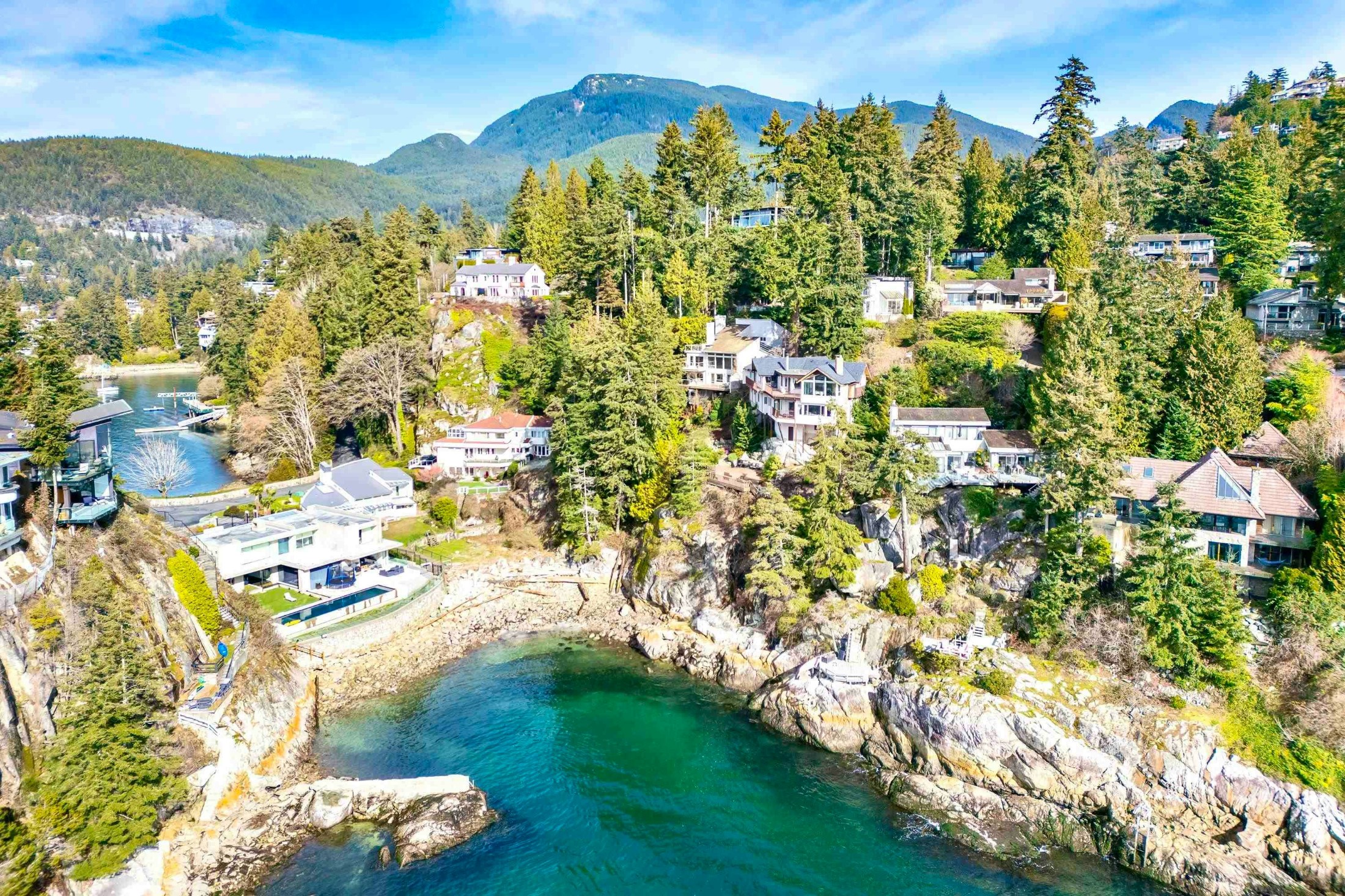
Living in Furry Creek, BC: What You Should Know Before Moving Here

When I tell people I live in Furry Creek, I usually get one of two responses: “Where is Furry Creek?” or, “Oh my goodness. You LIVE there?”

I understand both.

Before Furry Creek became home, it was one of those beautiful places I knew mostly from driving through the Sea to Sky corridor. Now it's where I wake up in the morning, walk the dogs, drink my coffee, work, meet neighbours and come home at the end of the day. And living somewhere gives you a very different perspective than visiting it.

Furry Creek is spectacularly beautiful, but it is also small, quiet and very different from living in a more established town or city. For the right person, those things are precisely what make it special. For someone else, they may be exactly why another Sea to Sky community would be a better fit.

So if you're considering moving to Furry Creek, here's what I think you should actually know.

First, where exactly is Furry Creek?

Furry Creek sits along the Sea to Sky Highway between Vancouver and Squamish, on the shores of Howe Sound. That location is one of the things that makes it so interesting.

Head south and you're travelling toward Lions Bay, Horseshoe Bay, West Vancouver and the rest of the North Shore. Head north and you're on your way to Squamish and, farther beyond, Whistler. But Furry Creek itself feels removed from all of them.

You leave the highway, enter the community, and things get quiet very quickly. That's one of the things I noticed when I first started spending time here. You're connected to the Sea to Sky corridor, but when you're home, you can feel surprisingly far away from everything.

The beauty is not exaggerated

Let's get this part out of the way. Yes, it really is that beautiful.

Howe Sound. Mountains. Forest. Ocean. Rock faces. Changing light. Clouds moving through the valley. Even after living here, I still notice it.

There are mornings when I make something hot to drink, step outside and just look. There are days when the clouds hang low over the mountains and everything feels moody and dramatic. Then there are clear mornings when the water and mountains seem impossibly sharp.

I wondered before moving to British Columbia whether scenery like this would eventually become ordinary. So far, it hasn't. And I hope it never does.

Furry Creek is quiet

This may be one of the most important things to understand. Furry Creek is not Squamish. There isn't a downtown. You aren't walking out your front door and choosing between twelve restaurants for dinner. There aren't grocery stores, coffee shops and boutiques lining the streets.

For some people, reading that will produce an immediate Nope. 😂

And that's useful information, because for other people, it produces exactly the opposite reaction: Wait. Tell me more.

The quiet is one of the things I love most about living here. When I come home, I feel like I've left the busyness behind. There is space. There is nature. There are moments when it feels wonderfully removed from everything.

But choosing that means accepting the trade-off.

You are going to use your car

If having everything within a five-minute walk is important to you, Furry Creek probably isn't going to provide the lifestyle you're looking for. Living here requires driving.

Groceries, restaurants, many services, appointments and everyday errands generally mean heading somewhere else. Depending on what I need and where the rest of my day is taking me, that might mean travelling north toward Squamish or south toward the North Shore.

Personally, I've adjusted to that. The drive itself is also very different from the driving I was accustomed to in Ontario. When Highway 99 is moving normally, you're travelling beside mountains, forest and Howe Sound. There are days when the drive feels less like something I have to endure and more like part of living here.

But it is still a drive, and Highway 99 is still a mountain highway. Weather, construction, traffic and accidents can affect travel, and alternate routes are limited. If you're thinking seriously about Furry Creek, this is something I would encourage you to experience rather than simply calculate on Google Maps.

Test the commute before you fall in love with the house

This is particularly important if you'll be commuting regularly. Don't look at a beautiful Furry Creek property, check the estimated drive time on your phone and decide that's good enough.

Drive the route, ideally more than once. Try it during the hours you'd normally travel and in less-than-perfect weather. Think about school, work, appointments, the airport and the places you visit regularly.

Then decide whether the location works for your actual life. Because a house can be wonderful and still be in the wrong location for you.

There are very different ways to live in Furry Creek

One of the interesting things about Furry Creek is that the real estate isn't all the same. You'll find different housing styles and settings, from homes with dramatic elevated views to properties closer to the water.

Oliver's Landing offers a particularly distinctive version of Furry Creek living, with its waterfront setting and townhome community feel. Elsewhere, homes can offer very different combinations of privacy, elevation, outdoor space, mountain views, ocean views and proximity to the golf course.

That's why I don't think you can decide whether you like Furry Creek by seeing one property. The experience can change considerably depending on exactly where you are within the community.

And as with anywhere along the Sea to Sky, the home itself is only part of the decision. The setting matters just as much.

Golf is part of the landscape, even if you aren't a golfer

The golf course is a major physical presence in Furry Creek. It winds through the community and contributes to the openness, greenery and views that make the area feel the way it does.

I'm surrounded by it in my everyday life. And even if golf isn't the reason you'd move here, the course is part of the character of the community. It creates another layer of landscape between the homes, forest and mountains.

Of course, if golf is part of the life you're imagining, that's an entirely different conversation.

Nature is not something you schedule for the weekend

This is probably the biggest lifestyle change I've experienced. In many places, getting into nature requires planning. You drive somewhere, find parking, pack for the day and make an outing of it.

Here, nature can simply be part of Tuesday morning.

I can walk through the forest, take the dogs toward the water, watch the weather moving across Howe Sound, and then come home and start working. That changes your relationship with the outdoors. You stop thinking of it exclusively as recreation and start experiencing it as part of your daily environment.

For me, that has been incredibly meaningful.

There is a community here

This was something I wondered about before moving. Small communities can sometimes look idyllic from the outside but feel difficult to enter socially. My experience has been the opposite.

I've found people welcoming, and I've learned that community often builds through small interactions. You meet someone. You talk to a neighbour. There's an event you mean to attend and somehow already have plans that day. 😂 Someone introduces you to someone else. Gradually, you stop feeling like the person who just moved in and start feeling like you live here.

That doesn't happen automatically, of course. You have to participate. But I've come to believe that's true almost anywhere. A community can open the door. Eventually, you still have to walk through it.

Furry Creek is changing

This is another important part of understanding the community. Furry Creek isn't frozen in time.

There is development and change happening in and around the area, and anyone considering buying here should understand both the community that exists today and what is planned for the future. That matters for more than property values. Growth can influence services, amenities, traffic, construction, housing options and the overall character of a place.

This is where I think buying in a developing community requires a little more curiosity. Don't only ask, “What is here now?” Also ask, “What could this community look like in five or ten years?”

Make sure you're comfortable with both answers.

Who might love living in Furry Creek?

I hesitate to answer this too narrowly because people constantly surprise us. But I think Furry Creek deserves serious consideration if you're drawn to quiet, natural surroundings and a sense of space.

If you'd happily trade having a coffee shop around the corner for looking at mountains and Howe Sound, you might understand the appeal immediately. If outdoor access matters to you, you may find the lifestyle incredibly compelling.

If you work from home or have flexibility around commuting, the location may open up possibilities that wouldn't work for someone who needs to be downtown Vancouver at the same time every morning. And if you're looking for a place that feels connected to the Sea to Sky while still offering a sense of retreat when you come home, Furry Creek is certainly worth exploring.

And who might prefer somewhere else?

This question matters just as much.

If walkability to shops, restaurants and services is essential to your happiness, I'd want you to think carefully. If you dislike driving, that's important. If you want the energy and amenities of a larger community immediately outside your door, Squamish or one of the North Shore communities may fit you better.

And that's okay.

My job isn't to convince everyone that Furry Creek is wonderful. My job is to help someone figure out whether Furry Creek would be wonderful for them.

There is a huge difference.

What living here has taught me

Before I moved west, I thought about home primarily as the place itself: the house, the neighbourhood, the address.

I think differently now.

Home is also the environment you step into when you walk outside. It's the road you drive every day. It's what you see from your window. It's where you walk. It's how easy or difficult your routines feel. It's whether your surroundings support the way you want to spend your time.

Living in Furry Creek has taught me that convenience isn't always about having everything close by. Sometimes convenience is being able to step outside and immediately find the thing you moved here for.

For me, that's nature. It's quiet. It's the mountains. It's Howe Sound. It's the feeling I still get when I come home.

And no, Furry Creek won't be right for everyone. That's exactly why I think it's worth understanding properly. Because when you're deciding where to live, the goal shouldn't be finding the place everyone else thinks is best.

It's finding the place that feels most like the life you want to live.

Thinking About Moving to Furry Creek?

If you're considering Furry Creek, I'd encourage you to experience it as a future resident rather than simply visiting for a showing.

Spend some time here. Drive north to Squamish and south toward the North Shore. Walk through the community. Explore the different housing options. Pay attention to the distances. Notice the quiet. And imagine what an ordinary Wednesday would look like here.

I've also created Beyond the Postcard, a short relocation quiz designed to help you think about the lifestyle, community and environment that might fit you best.

And if Furry Creek or another Sea to Sky community is starting to appear on your radar, I'm always happy to help you explore it.

Because choosing a home is one decision. Choosing the life around it is another. ❤️

Read

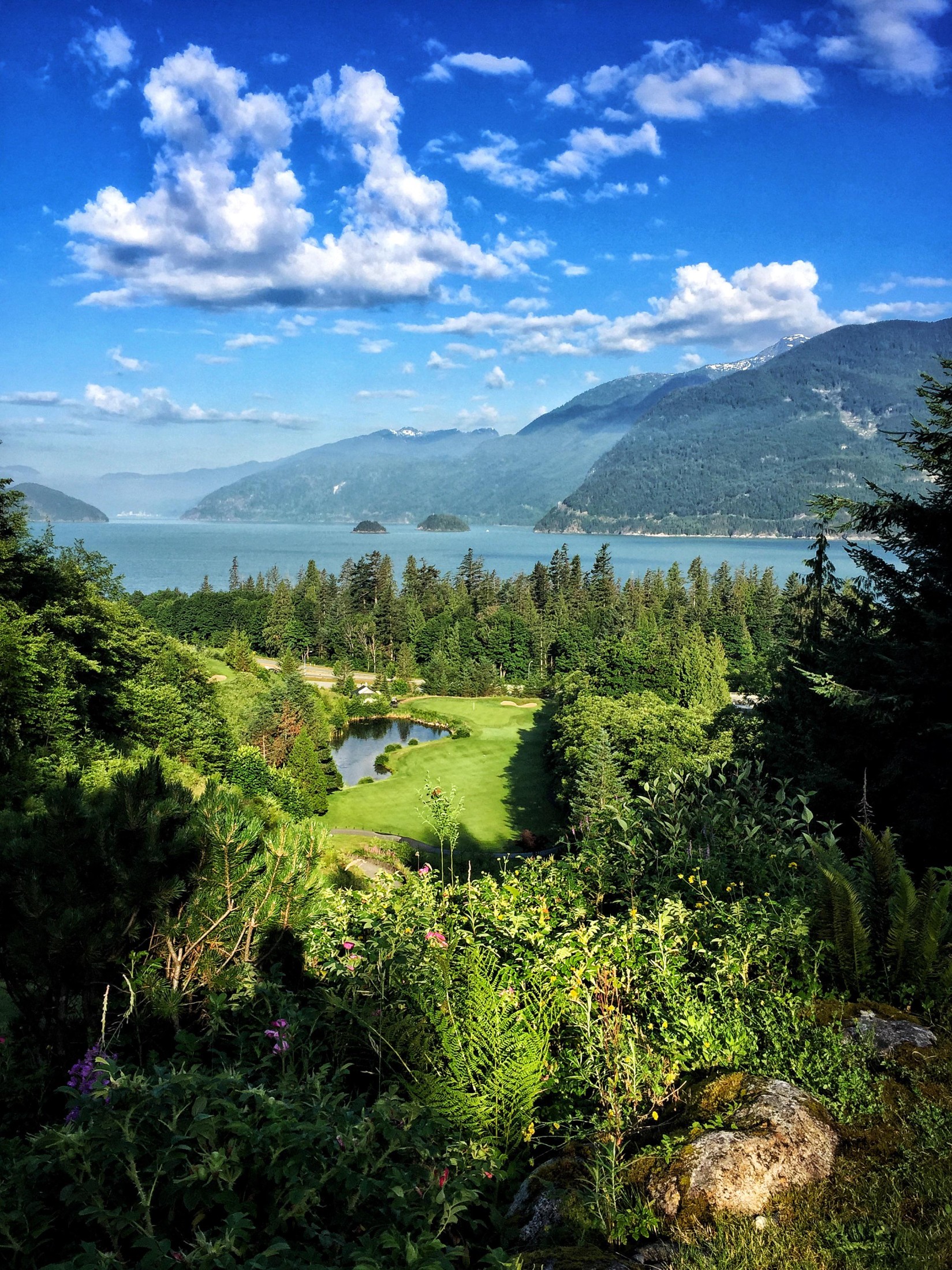
Living Along the Sea to Sky: What Life Here Actually Feels Like

The strangest thing about living along the Sea to Sky is that, months later, it still hasn't become ordinary.

I can be driving to an appointment, thinking about work, groceries, emails or the dozen things I need to get done that day, and then I'll come around a bend on the Sea to Sky Highway and see Howe Sound opening up beside me. And I still look. Sometimes I actually laugh. Sometimes I get a little giddy. Because somehow, this is the road I get to drive home on.

But living along the Sea to Sky is very different from vacationing here. The mountains and ocean are spectacular, of course. But eventually, even the most beautiful place becomes the backdrop to real life. You still have work to do. Groceries to buy. Appointments to get to. Laundry waiting at home. And I think that's actually where the real magic of living here begins. Because the question isn't whether the Sea to Sky is beautiful. It is.

The more interesting question is: What does it actually feel like to build a life here?

The landscape becomes part of your everyday life

Before I moved here, mountains and ocean were things I travelled to see. Now they're simply... there. I wake up early, often before the rest of the world seems to be awake, make my coffee or tea and look out toward Howe Sound. Some mornings it's perfectly clear. Other mornings the clouds are hanging low over the mountains or mist is sitting over the water. The view is never quite the same.

And I don't think I understood before moving here how much your physical surroundings can influence the rhythm of your life. You don't just look at nature here. You live in it. A forest walk can be part of an ordinary morning. The ocean can be where you take the dogs. A hike doesn't necessarily require planning an entire weekend around it. Nature becomes less of an event and more of a relationship.

And for me, that has been one of the biggest changes of all.

The Sea to Sky Highway becomes part of your life too

Let's talk about the road. Because if you're considering living anywhere along the Sea to Sky corridor, Highway 99 is going to become part of your relationship with this place. It connects the communities, but it also shapes how you live. I drive it constantly. South toward Lions Bay, Horseshoe Bay, West Vancouver and the North Shore. North toward Squamish and Whistler. And yes, it is every bit as beautiful as people say.

There are still stretches where I look over at Howe Sound and think, How is this my commute?

But this is also a mountain highway. Weather can change. Traffic happens. Accidents happen. Construction happens. And there aren't endless alternative routes if something goes wrong. That's something I think people need to understand when they're looking at a map and calculating distances. Twenty or thirty kilometres here doesn't necessarily mean the same thing it does somewhere else.

If you're seriously considering moving to the Sea to Sky, don't just Google the commute. Drive it. Drive it on a weekday. Drive it in the rain. Drive it at the time you'd actually need to leave for work. Then ask yourself how it feels. Because living here is not about whether a commute looks reasonable on paper. It's about whether the entire lifestyle surrounding that commute works for you.

Rain changes less than I expected

Coming from Ontario, I expected West Coast weather to be a much bigger adjustment. And yes, it rains. Sometimes a lot. But one of the things I've learned since moving here is that people don't necessarily organize their lives around avoiding weather. They organize their clothing around being in it.

I learned the expression pretty quickly: There's no bad weather, just bad gear. And I laughed at first. Then I bought better gear. Now I understand. 😂 You put on waterproof shoes. You wear the proper jacket. You take the dogs out. You go for the walk. Life continues. There is something wonderfully freeing about that. I've become less interested in waiting for perfect conditions and much more interested in simply going.

Every community has its own personality

One of the biggest mistakes I think someone could make when considering a move here is treating “Sea to Sky” as though it's one place. It isn't. North Van feels different from West Van. West Van feels different than Lions Bay. Lions Bay feels different from Furry Creek. Furry Creek feels different from Squamish. Squamish feels different from Whistler. And even within those communities, different neighbourhoods can create very different day-to-day experiences.

That's why I find it difficult when someone asks me: “Where is the best place to live?” There really isn't one answer. The better question is: “What kind of life are you trying to create?”

Do you want quiet? Walkability? Restaurants? A larger yard? A lock-and-leave home? A strong neighbourhood feeling? Easy access to trails? Golf? Skiing? Proximity to Vancouver? Do you want to be surrounded by activity, or do you want to come home and hear almost nothing? Those answers matter far more than somebody else's list of the “best” communities.

Living in Furry Creek has taught me that convenience isn't everything

I live in Furry Creek, and it has probably taught me more about this than anything else. There are things I don't have five minutes from my front door. If I need certain groceries, services or errands, I'm getting in the car. For some people, that would be a deal breaker. And that's important. But what I get in exchange is something I value enormously. Quiet. Space. I am IN the mountains and forest. I have ocean views right from my windows. A golf course winding through the community. Trails and beaches very nearby. And a feeling, particularly in the mornings, that the world is still very far away. That trade-off works for me.

It won't work for everyone. And that is exactly the point. Good relocation advice shouldn't be about convincing someone to love the place I love. It should be about helping them understand themselves well enough to recognize the place they will love.

You start measuring convenience differently

Living here has also changed my definition of convenience. I used to think convenience meant having everything nearby. And obviously, there are times when that's wonderful. But now I think about convenience differently. How convenient is it to step outside and be surrounded by nature? How convenient is it to have beautiful places to walk without driving across a city to reach them? How convenient is it to be able to build outdoor activity into your normal life instead of saving it for vacations? That doesn't mean practical conveniences stop mattering. They absolutely matter. It just means they're no longer the only things on the list.

Your social life takes intention

This was another part of relocation I thought about a lot. When you move somewhere new, especially when you're no longer twenty-five, you don't automatically inherit a community. You have to build one. You say yes to invitations. You meet neighbours. You go to dinners. You join things. You talk to people. You accept that some connections will become friendships and others won't. And slowly, something starts to happen. You recognize people. Someone texts you. You're invited somewhere. You start having people over. A place that once felt completely new begins to contain people who matter to you.

I think this is one of the most overlooked parts of relocation. Finding the right house is important. Finding belonging matters too.

The outdoors changes how you spend your time

I knew I wanted to spend more time outside when I moved west. I don't think I realized how naturally it would happen. There are weekends now where the adventure is the plan. A hike. Exploring somewhere new. A drive up to Whistler. Walking near the water. Finding a trail I've never been on before. And sometimes I find myself doing things physically that I wouldn't have imagined myself doing before I moved here. Not because I've suddenly become a completely different person. I think it's because my environment makes that version of me easier to access. And that has fascinated me.

We talk so much about changing our habits when we're trying to change our lives. Sometimes changing our environment changes our habits for us.

It isn't a permanent vacation

This might be the most important thing I could tell someone considering moving here. My life did not magically become perfect because I moved to British Columbia. I still get stressed. I still worry about work. I still have days when I'm tired. There are errands and deadlines and responsibilities and all the ordinary things that follow you wherever you go. You bring yourself with you when you move. But I've also learned that where you live can influence how you experience those ordinary days. A stressful day can still end with a walk beside the water. A busy drive can include mountains outside the windshield. A difficult week can be followed by a Saturday on a trail that reminds you just how enormous and beautiful the world is.

Moving doesn't remove real life. It changes the setting in which you get to live it. And sometimes that matters more than we realize.

There are trade-offs, and you should understand them before you move

I love living here. But loving somewhere doesn't mean pretending there aren't trade-offs. Depending on the community you choose, you may have fewer services nearby. You may drive more than you expected. Housing can be expensive. Weather and highway conditions sometimes affect plans.

If you're used to having dozens of restaurants, stores, medical services and entertainment options minutes from your front door, some parts of the Sea to Sky may feel surprisingly remote. Other areas may give you much more of that convenience. That's why I would never tell someone considering a move here simply: You're going to love it. Maybe you will. But first, let's figure out how you actually want to live.

The biggest surprise is that I still notice

Maybe someday I'll stop staring at Howe Sound. Maybe I'll drive the Sea to Sky Highway and barely look up. Maybe the mountains outside my window will eventually become so familiar that I stop thinking about them. But I hope not.

Because right now, there are still moments when I'm driving home and the light hits the mountains a certain way, or I see the ocean through the trees, or I wake up and look outside and think: I live here. And that feeling hasn't gotten old. I don't think the lesson is that everyone should move to British Columbia. I think it's something much more personal than that. 

Pay attention to the places that make you feel more connected to your own life. For me, that place turned out to be here. And perhaps that's why, even after the Sea to Sky became home, it still hasn't become ordinary.

Thinking About Living Along the Sea to Sky?

If you're considering a move to Lions Bay, Furry Creek, Squamish, Whistler or elsewhere along the Sea to Sky corridor, I'd encourage you to explore the communities as places to live, not simply places to buy real estate.

Drive the routes. Spend time in the neighbourhoods. Walk the trails. Visit the grocery stores. Experience an ordinary weekday. Think about what you want your mornings, weekends and everyday routines to look like.

I've also created Beyond the Postcard, a short relocation quiz designed to help you think about the lifestyle, community and environment that might fit you best.

And if you're beginning to explore a move, I'm always happy to be a resource. Because finding a home is important. But finding the place where your life fits is something bigger. ❤️

Read

Moving from Ontario to British Columbia: What I Wish I Knew Before I Moved

For years, British Columbia was the place I imagined.

The mountains. The ocean. The trails. The lifestyle. That feeling I would get every time I came west and wondered, Could I actually live here? Eventually, I stopped wondering. I moved from Ontario to British Columbia and made the Sea to Sky my home. And while there were plenty of practical things I researched before I moved, like housing, communities, cost of living and commuting, there were other things I couldn't have learned from a Google search. Those are the things I wish someone had told me. Because moving across the country isn't really just about changing your address. It's about changing your life.

You can love the life you have and still want something different

This may have been the biggest lesson for me.

I didn't leave Ontario because I was unhappy there. Quite the opposite. I had family and friends I loved. A community. A successful real estate career I had spent years building. Familiar places, routines and people who knew me. I had a beautiful life. And for a long time, I think part of me believed that wanting something different somehow meant I wasn't grateful enough for what I already had. But I've learned that both things can be true. You can be deeply grateful for your life and still feel curious about another one.

Sometimes that little voice saying What if? isn't something you need to silence. Sometimes it's worth listening to.

Choosing where to live is about much more than the house

As a Realtor, I've spent years helping people buy and sell homes. But moving to British Columbia made me think about real estate differently. A home isn't just bedrooms, bathrooms and square footage. It's the life that happens around it. What do you see when you drink your coffee in the morning? Where do you walk your dog? How much time do you spend in your car? Can you walk to the ocean? Get onto a trail after work? Know your neighbours? Find your people? Does your environment make it easier to live the way you want to live?

Those questions matter.

And they're especially important when you're considering communities along the Sea to Sky or the North Shore, because places that can look relatively close together on a map can offer very different day-to-day lives.

Furry Creek isn't Squamish. Squamish isn't Whistler. Lions Bay isn't West Vancouver. And North Vancouver offers another experience altogether.

The question isn't simply, “Where should I buy?” It's “Where would my life fit?”

The weather isn't necessarily the hardest adjustment

Coming from Ontario, I expected the weather to be a much bigger deal. Yes, the West Coast has rain. But I've discovered there's a reason people here joke that there's no bad weather, only bad gear. Life doesn't necessarily stop because it's raining. You put on waterproof shoes and a proper jacket, grab the dog and go anyway. For me, that was a surprisingly wonderful adjustment.

There is something about living here that encourages you to be outside even when conditions aren't perfect. And perhaps that's part of the bigger lesson too. You stop waiting for the perfect day to live your life.

Distance feels different here

This is something that's difficult to understand until you actually live here. A commute isn't just a number of kilometres. Driving the Sea to Sky Highway beside Howe Sound is a very different experience from sitting in traffic on a multi-lane Ontario highway. At the same time, mountain geography, weather, traffic, ferry schedules and limited alternate routes can make seemingly short distances more significant than they appear on Google Maps.

So if you're thinking about relocating, don't just calculate kilometres.

Experience the route. Drive it at the time you'd normally commute. Stop in the community. Buy groceries. Have coffee. Walk around. Imagine a Tuesday in February, not just a beautiful Saturday in July. That's when you start learning whether a place could actually work for you.

Community matters more than I expected

One of the biggest questions people have about moving somewhere new, especially later in life, is:

Will I find my people? I wondered that too.

Leaving established friendships and community behind is significant. You don't recreate decades of relationships overnight. But I've also been amazed by how quickly new connections can begin when you're willing to put yourself out there. Neighbours. Hiking friends. People you meet through work. Someone you have coffee with who introduces you to someone else. Little by little, a place starts becoming your place.

If you're contemplating a move, I wouldn't only research real estate: Research community. Look at clubs, recreation, volunteer opportunities, restaurants, events, schools, churches, gyms, trails, and whatever else matters in your real life. Belonging is part of relocation too.

Your everyday life matters more than the postcard

British Columbia is extraordinarily beautiful. There are still moments when I'm driving along Howe Sound or looking across the mountains when I genuinely can't believe I live here. But you can't make a relocation decision based on scenery alone. Eventually, even paradise becomes the place where you have to buy groceries, get your car serviced, go to the dentist and figure out what you're making for dinner. That's why I think anyone considering a move here needs to look beyond the postcard.

What will your actual life cost? Where will you work? What services are nearby? How will you get around? What kind of home can you comfortably afford? What are you gaining, and what are you giving up?

The goal isn't to convince yourself that British Columbia is perfect. It isn't. The goal is to understand the trade-offs well enough to decide whether they're worth it for you.

Moving is emotional, even when you're excited

This one surprised me. You can be thrilled about where you're going and still feel the weight of what you're leaving. A major move touches identity, relationships, routines, familiarity and belonging. There are moments of incredible excitement. And there can also be moments when you wonder: What on earth have I done? That's normal. A huge life decision doesn't have to feel wonderful every minute for it to have been the right decision for you. Give yourself time to arrive, not just physically, but emotionally.

Rent first? Buy immediately? There isn't one right answer

People often want a simple answer to this question. There isn't one. For some people, renting first provides the freedom to experience different communities before committing. For others, the right property and location become clear relatively quickly, and buying makes sense. I think the better question is:

How certain are you about the life you want here?

If you don't know whether you'd be happier in West Vancouver, Lions Bay, Furry Creek, Squamish or farther north toward Whistler, that uncertainty matters. Spend time here. Explore. Drive the routes. Experience the communities in ordinary circumstances. And make the real estate decision after you've started making the lifestyle decision.

The financial comparison is more complicated than “BC is expensive”

Yes, housing costs can be significant in British Columbia, particularly in Greater Vancouver and some Sea to Sky communities. But relocation decisions aren't made on one number. Property type, taxes, insurance, transportation, commuting, maintenance, recreation and everyday spending all contribute to the picture. And then there are things that don't appear neatly on a spreadsheet. What is being closer to nature worth to you? Would you drive less, or more? Would your home be smaller? Would you spend more time outdoors? Are you moving for work, retirement, family, adventure or simply a different pace of life? A good relocation decision isn't about proving that one province is “better” or “cheaper.”

It's about understanding what your particular version of life would look like in each place.

Visit like a local before you decide like a buyer

If I could give one piece of practical advice to someone seriously considering moving from Ontario to British Columbia, it would be this: Don't come here only for a vacation. Come here to test-drive your life.

Stay in the community you're considering. Go to the grocery store. Drive the commute. Walk the neighbourhood in the rain. Try the coffee shop. Find the trail you'd use on a Wednesday morning. See how long it takes to get to the airport. Look at homes in several different areas and price ranges. And pay attention to how you feel in each place. Because sometimes the spreadsheet tells you one thing and your actual experience tells you another. You need both.

What I wish I knew most

I wish I'd understood earlier that relocating isn't really about finding a new place to live. It's about deciding how you want to live. Moving across the country was a big decision for me. It required leaving people and places I loved and starting again in ways I hadn't fully anticipated. But it also taught me something I now carry into my work with people considering their own move:

You don't have to hate your current life to imagine a different one.

Sometimes the question isn't: “What's wrong with where I am?” Sometimes it's simply: “What kind of life do I want to design from here?” That's a much more interesting question.

Thinking About Moving to British Columbia?

If you've been quietly wondering what life on the West Coast could actually look like for you, I've created Beyond the Postcard, a short relocation quiz designed to help you think beyond real estate and explore the lifestyle, community and environment that might fit you best.

And if you're considering the Sea to Sky corridor, North Vancouver or West Vancouver, I'm always happy to be a resource. I spent years imagining this move before I made it myself. Now I help other people explore what their own version of West Coast life could look like, thoughtfully, realistically and without pressure.

Because the goal isn't simply to move to British Columbia. It's to find the place where your life fits. ❤️🏔️🌊

Read
Reciprocity Logo The data relating to real estate on this website comes in part from the MLS® Reciprocity program of either the Greater Vancouver REALTORS® (GVR), the Fraser Valley Real Estate Board (FVREB) or the Chilliwack and District Real Estate Board (CADREB). Real estate listings held by participating real estate firms are marked with the MLS® logo and detailed information about the listing includes the name of the listing agent. This representation is based in whole or part on data generated by either the GVR, the FVREB or the CADREB which assumes no responsibility for its accuracy. The materials contained on this page may not be reproduced without the express written consent of either the GVR, the FVREB or the CADREB.